Best Time to Pour Concrete in Ontario:

A Comprehensive Guide for 2026

Key Points Summary

  • Optimal Temperatures: Concrete cures best when ambient temperatures remain between 10°C and 25°C, making the transitional seasons of Spring and Autumn highly favorable in Southwestern Ontario.
  • Spring Planning: Booking in March ensures you secure top-tier contractors before the summer rush and allows the concrete to cure perfectly as the ground thaws.
  • Premium Upgrades: High-net-worth estate owners are increasingly investing in heated driveway installation Ontario to combat harsh winters and eliminate snow removal labor.
  • Cold Weather Pours: If you are wondering, "can you pour concrete in cold weather Canada", the answer is yes, provided your contractor utilizes specialized thermal blankets, heated mixes, and accelerators.
  • Long-Term ROI: Investing in premium finishes like exposed aggregate or geometric stamped patterns significantly boosts property value, especially when integrated with high-end landscaping and outdoor living features.

The Science of Concrete Curing in Ontario Weather

When investing in luxury hardscaping, understanding the science behind the pour is critical. Concrete does not simply "dry"; it cures through a complex chemical reaction called hydration. This exothermic process relies heavily on environmental conditions. For the hydration process to occur optimally, the ambient temperature should ideally sit between 10°C and 25°C.

In Southwestern Ontario, the climate introduces unique challenges. Extreme freeze-thaw cycles can wreak havoc on poorly cured concrete. If the water inside the concrete mix freezes before the curing process reaches a certain strength threshold, the expanding ice crystals can cause internal micro-fractures, leading to surface spalling and reduced lifespan. Therefore, determining the best time to pour concrete driveway Ontario is not just about convenience; it is a matter of structural integrity and protecting your investment.

Spring (March to May):
The Optimal Window for Estate Projects

As we navigate through mid-March 2026, we are entering the premier season for concrete installations. Spring offers the perfect balance of moderate temperatures and rising humidity, which slows moisture evaporation from the concrete surface, resulting in a stronger, more resilient slab.

For high-net-worth homeowners planning expansive premium concrete driveways or intricate foundation work, booking early in the spring is essential. Before a single drop of concrete is poured, meticulous grading and site preparation require top-tier machinery. Pouring in April or May also ensures that your stamped concrete vs regular concrete cost Ontario calculation yields the highest return on investment, as the installation will be fully cured and ready to enjoy for the entire summer entertaining season.

Summer (June to August):
Managing the Heat

Summer in Southwestern Ontario can bring scorching temperatures and high humidity. While concrete can certainly be poured during these months, it requires an elite level of expertise. Heat accelerates the hydration process. If concrete cures too quickly, it is susceptible to shrinkage cracking and a weakened surface structure.

To combat this, expert contractors will often schedule pours for the early morning or late evening. They may also use evaporation retarders, specific chemical retardants in the mix, or water-curing methods to keep the slab cool. If you are constructing a luxury pool deck or a massive stamped concrete patio during a July heatwave, ensure your contractor has a proven track record of managing high-temperature pours to protect the flawless finish of your architectural concrete.

Autumn (September to November):
The Last Call Before the Freeze

Autumn is often considered the second-best window for concrete placement. Similar to spring, the cooler temperatures (typically between 10°C and 15°C in early autumn) allow a slow, controlled cure that maximizes the concrete's structural strength.

However, timing is everything. The goal is to ensure the concrete has reached a compressive strength of at least 500 psi before it is exposed to its first freezing cycle. Pours scheduled in late October or November run the risk of sudden frost. A reputable contractor will monitor Environment Canada forecasts meticulously and may use insulated curing blankets to trap the exothermic heat generated by the concrete, ensuring a pristine finish free of frost damage.

Winter (December to February):
Heated Driveways & Specialized Solutions

A common question among property owners is: "can you pour concrete in cold weather Canada"? The answer is absolutely yes, though it requires specialized, premium techniques. Winter pours involve utilizing hot water in the concrete mix, incorporating non-chloride accelerators to speed up setting times, and employing heavy-duty ground-thawing equipment.

For luxury estates, winter is actually a highly strategic time to discuss heated driveway installation Ontario. High-net-worth individuals are increasingly opting for radiant snow-melting systems embedded directly into their concrete driveways and walkways. These premium systems eliminate the need for harsh de-icing chemicals or damaging snow plows, preserving the pristine look of exposed aggregate or geometric stamped patterns year-round. To elevate the outdoor experience even further, many homeowners choose to complement their heated hardscapes with luxury outdoor heating solutions and custom fire features designed by specialists like My Fireplace, turning a frozen backyard into a year-round architectural focal point.

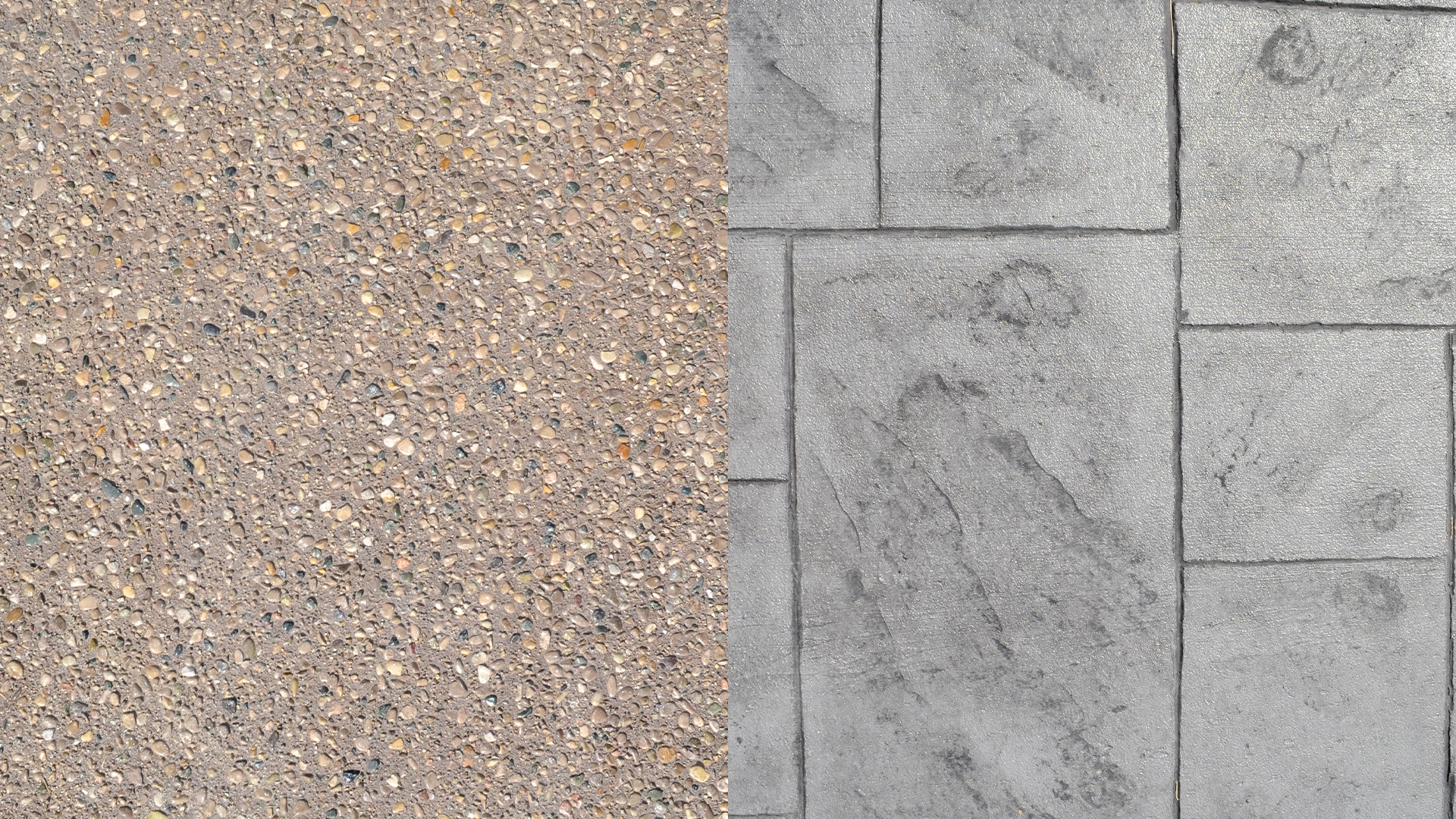
aggregated vs large ashlar concrete stamp

Integrating Concrete with Premium Outdoor Living

A high-end concrete project does not exist in a vacuum; it is the foundational canvas for your entire landscape architecture. Today’s luxury market leans heavily into bespoke finishes—think seamless exposed aggregate that mimics natural river rock, or large-format geometric stamped patterns that offer the aesthetic of imported stone with unparalleled longevity.

Once the concrete has cured, the integration of organic elements brings the estate to life. To soften the bold lines of a modern concrete patio or retaining wall, landscape architects highly recommend bordering the hardscape with climate-resilient, premium botanicals and vibrant seasonal blooms sourced from horticultural experts like Fernlea. The juxtaposition of flawless, structural concrete against lush, expertly curated greenery creates a resort-quality ambiance right in your own backyard.

Why Local Expertise in Southwestern Ontario Matters

Whether you are breaking ground on a commercial facility near the booming $7 billion Volkswagen Gigafactory in St. Thomas or upgrading a heritage estate in London, Ontario, localized soil and weather knowledge is non-negotiable.

Different municipalities have varying soil compositions—from heavy clay that shifts dramatically with moisture, to sandy loams. A contractor who intimately understands the freeze-thaw depths of Southwestern Ontario will engineer the proper sub-base and drainage solutions required to ensure your concrete outlasts the property itself. As a family-owned business serving the region since 1977, AKKO Ltd brings nearly five decades of localized engineering expertise to every luxury residential and commercial pour.

Frequently Asked Questions

The cost varies significantly based on the square footage, required site preparation, and the chosen finish. While standard broom-finish concrete is cost-effective, premium options like exposed aggregate, stamped borders, or heated driveway installation Ontario [cite: 386] require a custom quote. We recommend reaching out directly to contact AKKO Ltd for a detailed, high-accuracy estimate tailored to your estate.

The absolute optimal times are mid-Spring (April/May) and early Autumn (September/October). During these windows, the temperatures are moderate (10°C to 20°C), which allows the concrete to undergo a slow, controlled hydration process, resulting in the highest possible compressive strength.

Stamped concrete commands a premium over standard regular concrete—often 30% to 50% more per square foot. This accounts for the specialized coloring agents, the labor-intensive stamping process, and the high-grade sealants required. However, for luxury homes, stamped concrete offers a massive ROI by mimicking the look of natural stone without the sinking or weed-growth issues associated with traditional pavers.


Secure Your Spring Pour Today

Our Spring 2026 schedule is filling up fast. Whether you are planning a luxury stamped concrete patio or a heated driveway, trust AKKO Ltd's 48 years of expertise to get it done right.

Proudly serving London, St. Thomas, and Southwestern Ontario since 1977.